
Delta to cut US longest domestic route
02 Sep 2026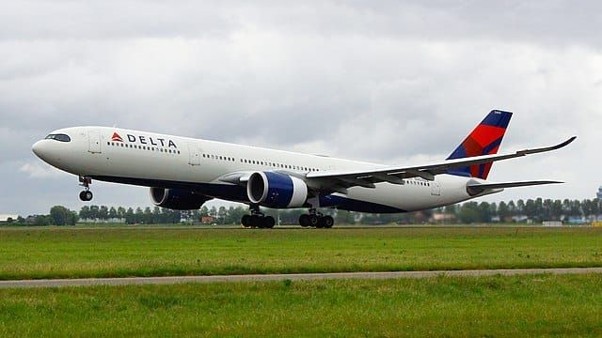
The airline will now operate just 16 flights between Boston Logan International Airport and Honolulu International Airport, with the service ending January 3, 2027.
That is an 81% reduction from the 84 departures Delta had previously scheduled between December 19 and April 25.
The route is notable for being the longest nonstop domestic link in the US. The westbound flight can be blocked at up to 11 hours and 10 minutes, covering around 8,200 km.
Delta had announced in February that the route would return December 19, initially operating daily during the holidays before dropping to four weekly flights through the winter.
That second phase has now disappeared from the schedule.
A challenging long-haul domestic market
The economics of that route are in fact challenging. Boston-Honolulu requires a widebody aircraft to spend almost half a day flying westbound, with roughly 16,100 km of round-trip flying. That creates a significant opportunity cost for an aircraft that could potentially generate more revenue on other long-haul routes.
Competitor Hawaiian Airlines launched Boston-Honolulu in 2019, creating the first nonstop link between New England and Hawaii. Delta later entered the market before suspending its own service in April 2025. Hawaiian subsequently dropped Boston from its network after identifying the route as underperforming.
Delta then made an unexpected comeback, announcing the 2026-27 winter return. Until it decided to scale it back sharply, before the first flight has even operated.
Demand for the route has been historically limited. In 2019, the Hawaii Tourism Authority reported that some 127,000 people from New England visited Hawaii in the previous year, mostly coming from Massachusetts.
For travellers, the impact is straightforward. Once the January 3 service ends, Boston passengers will again need to connect through mainland hubs to reach Honolulu. And spend more time in the skies…