Are airports in Italy already affected by jet fuel shortage?
06 Apr 2026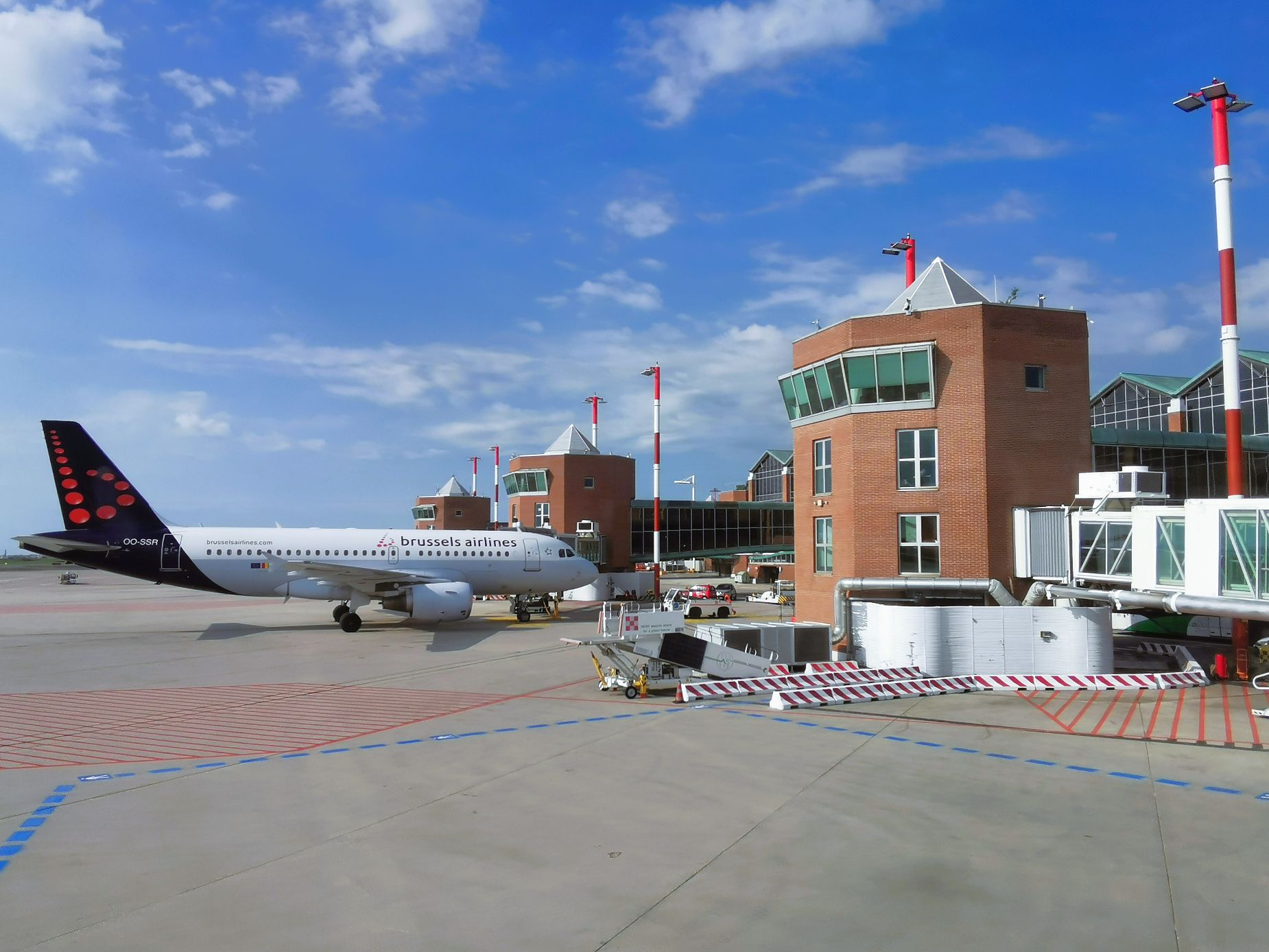
While some see this as a temporary Easter traffic issue, the backdrop is increasingly complex, with the Middle East conflict continuing to restrict shipping through the Strait of Hormuz.
Air BP, part of the UK energy giant BP, said priority fueling would go to air ambulances, government flights, and long-haul services over three hours. All other flights face rationed supply at least until April 9.
For other short-haul flights, a supply ceiling of 2,000 litres per aircraft has been imposed, newspaper Il Corriere della Sera reported.
ENAC President Pierluigi Di Palma sought to calm immediate concerns, telling ANSA the current pressure “is tied to Easter travel demand, not the Hormuz blockade.” He added, “If the conflict continues, there will be consequences. But for now, diplomacy is at work.”
Save Group, managing Venice, Treviso, and Verona airports, described the fuel limits as “not significant,” noting that other suppliers can cover most carriers’ needs. Perugia and Puglia airports report normal operations and sufficient reserves.
Since the conflict began, markets have been assessing impacts on air transport. Ryanair said short-term fuel supply is stable, with current contracts covering needs until mid-to-late May. Lufthansa has issued similar cautions, citing problems at certain Asian hubs, with resolution tied to the conflict’s duration.
Additional travel insurance recommended in case of cancellation coverage
Europe relies on imports for roughly 30% of aviation fuel, according to IATA, and refinery closures in recent years have widened the supply gap. Major airlines hedge 70% of fuel needs through financial derivatives, but these do not guarantee physical delivery, leaving airlines exposed to shortages. Even as most Gulf crude heads to Asia and the US, global delivery pressures are feeding through to European supply.
Looking ahead to the summer season, ticket prices may rise, and flights could be canceled or rescheduled. Operators advise passengers to buy travel insurance, which adds to overall costs. Talking to ANSA, RimborsoAlVolo, a passenger assistance firm, noted that any cancellations due to fuel shortages would likely be considered “extraordinary circumstances,” removing passengers’ EU law right to compensation up to €600.